

Canyon Predict Bike
Cars have had predictive safety systems for years. Blind spot monitoring, collision warnings, adaptive cruise control, automatic braking. Cycling has had none of it. The Canyon Predict is an attempt to change that, and the ambition of the concept is worth taking seriously even in prototype form.
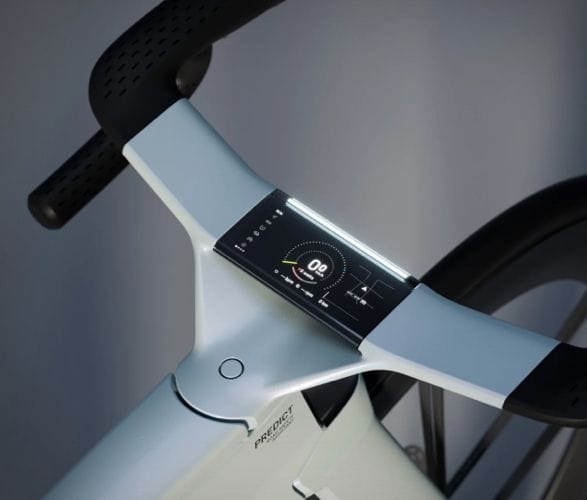
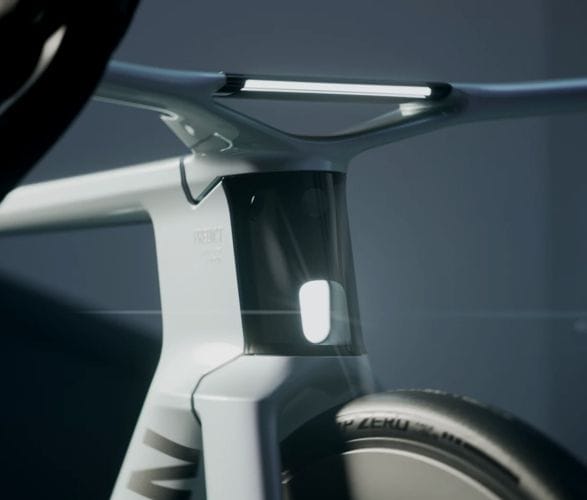
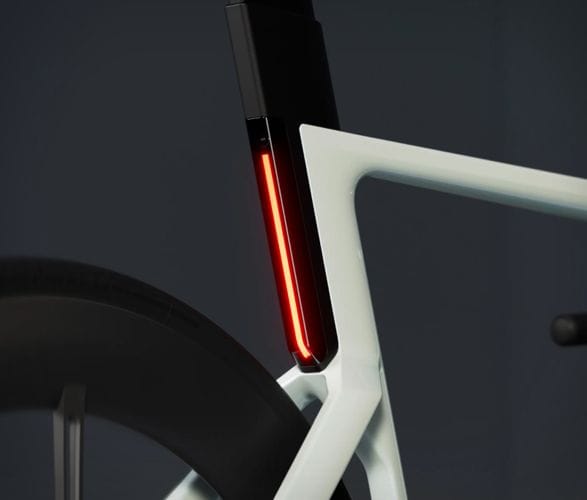
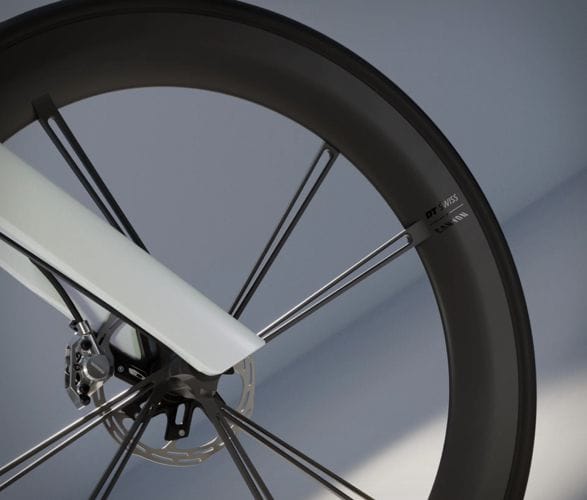
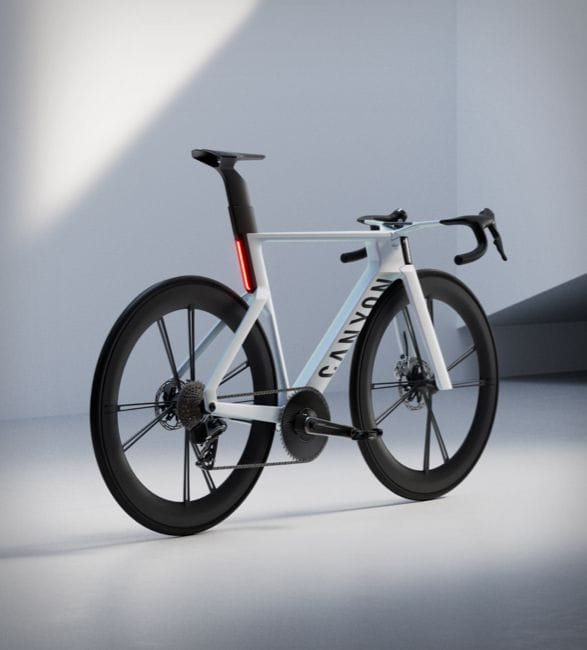
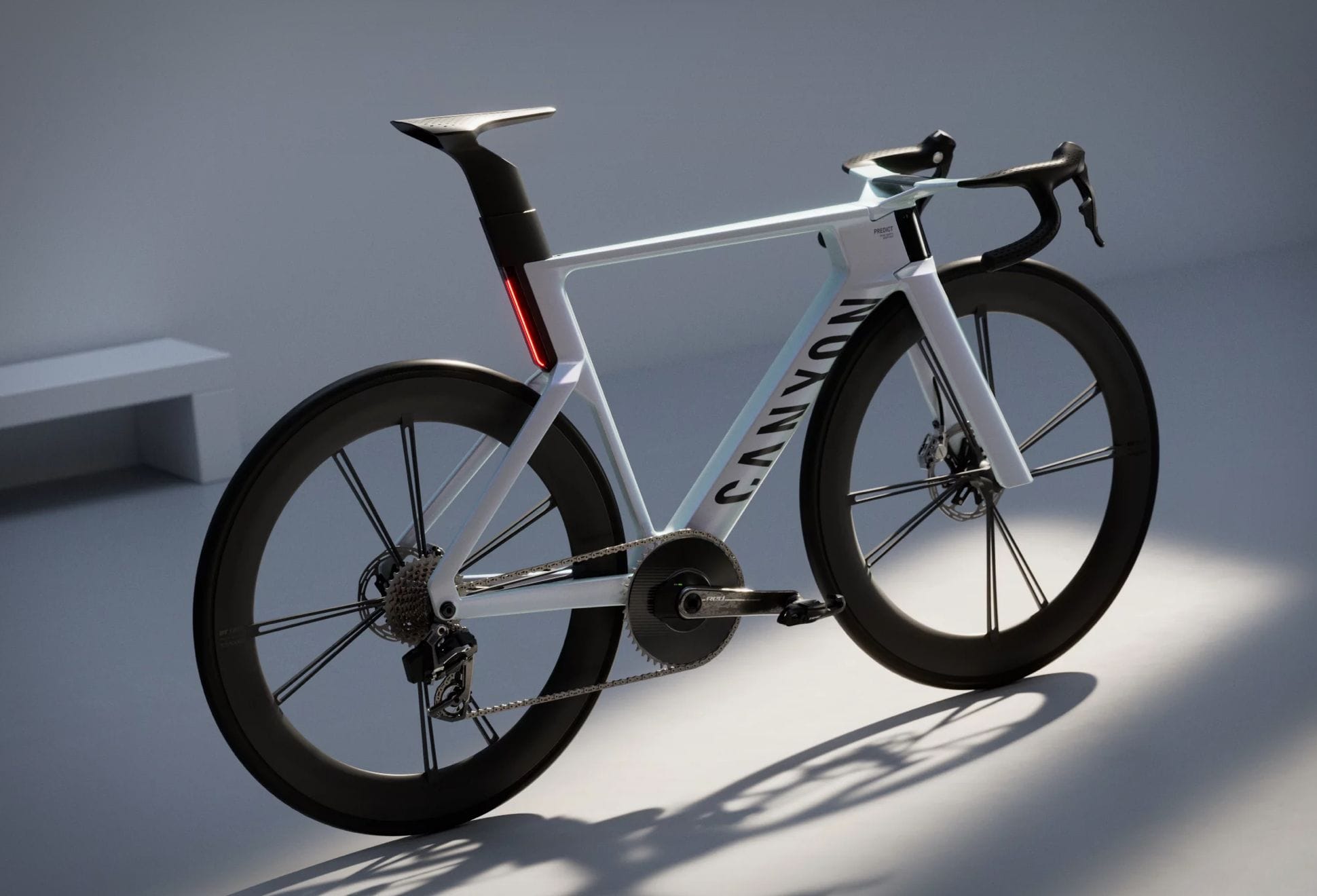
The system uses a 360 degree sensor array combining cameras, front and rear radar modules, and distributed sensors including a multi dimensional motion sensor in the DT Swiss wheel hub. All of that data feeds into an onboard Edge AI processor that tracks the rider's speed, steering angle, and stability while simultaneously assessing the trajectory of moving objects in the immediate environment. It calculates distance to other vehicles, whether those vehicles are braking, what the road surface conditions are, and where the rider sits relative to other cyclists in a group. The system then assigns risk scores and communicates them through directional lights, haptic feedback in the handlebars, and visual guidance on a display integrated into the bar top.
The critical design decision is that everything processes on the bike itself. No cloud computing, no internet dependency, no latency. Edge AI handles the decision making locally, which means real time response and no privacy concerns about broadcasting your location and riding data to external servers.
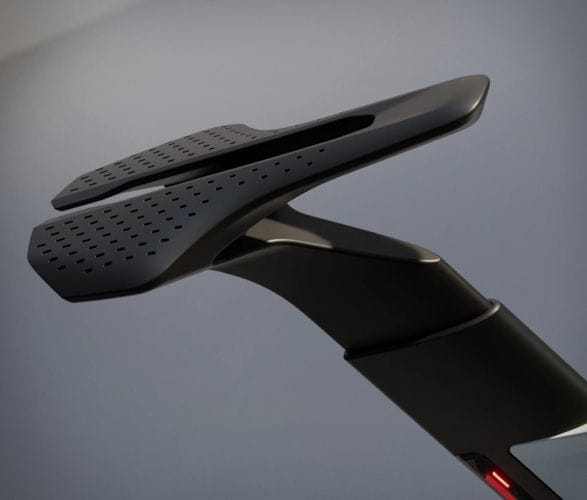
The prototype goes further than just warnings. In critical situations, the rider can remotely drop the seatpost to lower their center of gravity, improve stability, and increase control before a crash happens. That is an intervention borrowed directly from mountain biking and motorsport, applied to road cycling for the first time. Group ride intelligence allows multiple Predict equipped bikes to share situational data as a swarm, giving each rider awareness of threats that other riders in the group have already detected.
Canyon is also showing the Stingr Smart helmet alongside the Predict bike at Eurobike. The helmet features a drop down augmented reality visor that displays data from the bike's sensor system directly in the rider's field of vision, removing the need to look down at a handlebar screen during critical moments.
The numbers behind the project are sobering. Cyclists now account for 10 percent of all road deaths in the EU. In Germany, cyclist fatalities have increased 20 percent over the past decade while car occupant deaths have fallen 35 percent. Nearly half of UK respondents in the 2023 National Travel Attitudes Study said safety concerns were the main reason they never ride. Canyon is making the argument that the technology to address this already exists and simply has not been applied to bicycles.
The Predict is currently a 3D printed carbon fiber prototype debuting at Eurobike in Frankfurt from June 24 to 27. Canyon has not announced production timelines or pricing, but the intent is clear: this is a roadmap for where the brand plans to take road cycling safety, and the technology is closer to production ready than most concept bikes suggest.