

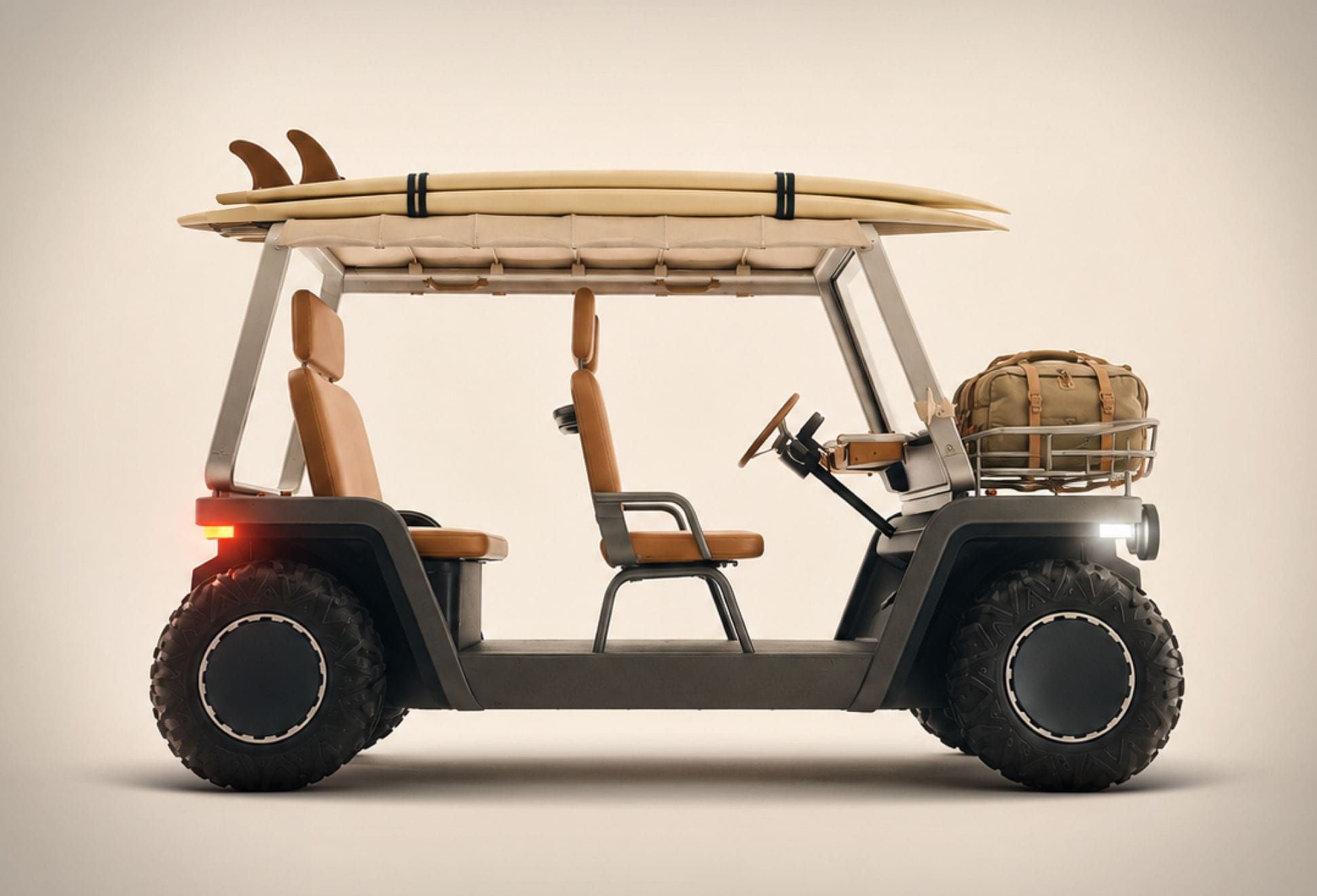
Amble One Electric Buggy
An Apple design veteran who worked on the iPod, iPhone, Apple Watch, and Vision Pro left the company and decided the world needed a better golf cart. The Amble One is what happened when that idea met proper engineering, and it is far more interesting than that description makes it sound.
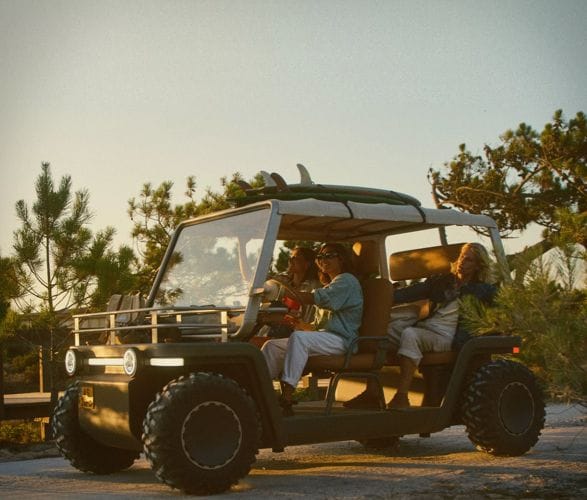
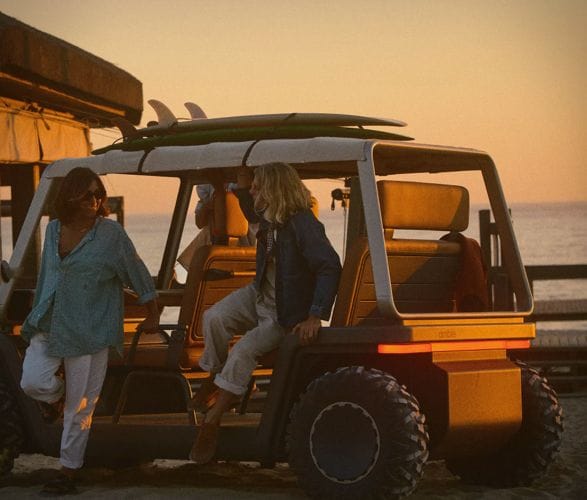
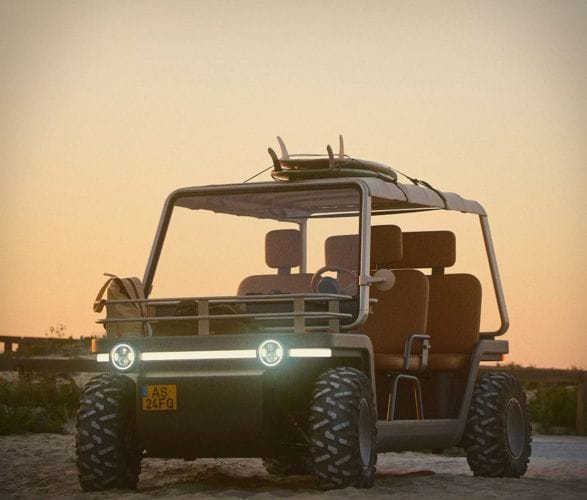
The One is a street legal, doorless, open air electric buggy designed for short range driving in coastal towns, resort communities, private estates, and neighborhoods. No doors, no unnecessary screens, no separation between you and wherever you are driving through. Julian Hoenig, the Apple alumnus behind the design, drew inspiration from retro vehicles and NASA's 1971 lunar rover. The result looks like something a five star resort would leave outside your villa, which is exactly where most of these will end up first. Amble's 2027 delivery slots are already fully reserved by hospitality customers, with average orders of around 40 vehicles at roughly $1 million per order.
The powertrain is a 48 volt, 15 kW electric motor driving the rear axle. Top speed is 65 km/h. Range is over 100 km on a 12 kWh lithium ion battery. Zero to 30 km/h in under 2.5 seconds. It recharges in 5.5 hours from a 220/230 volt outlet. These are not car numbers and they are not meant to be. The One is classified as an L7e quadricycle in the EU, keeping it under 450 kg and 15 kW to stay within the lighter regulatory category.
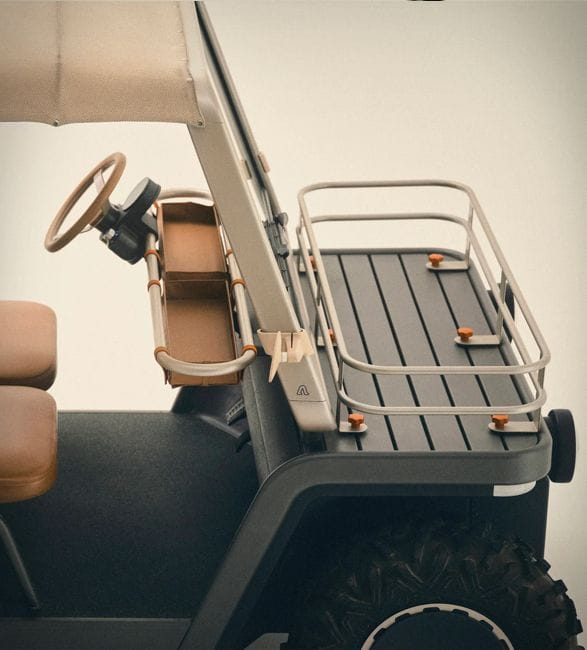
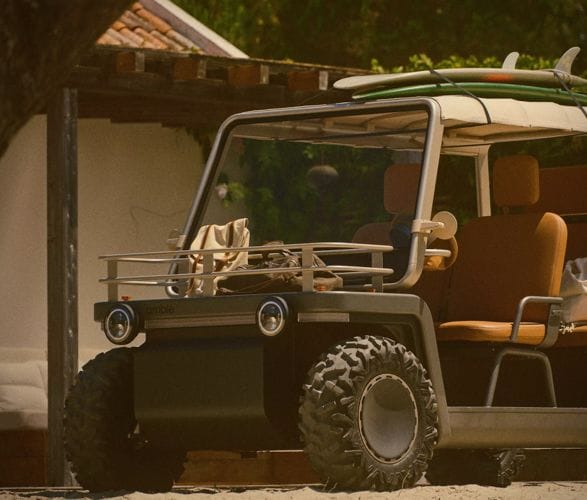
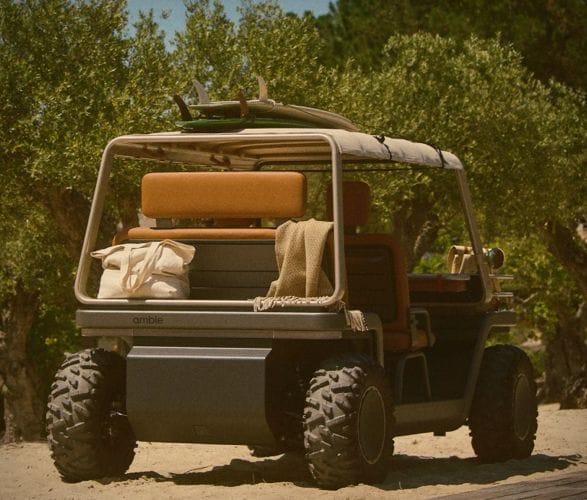
The chassis is aluminum with a recycled polymer body, waterproof soft top in marine grade canvas, and organic cork accents on the steering wheel and interior surfaces. Materials were chosen for sun, wind, and rain resistance, designed to weather well rather than wear out. Independent suspension is tuned for steep tracks, loose ground, and uneven surfaces, handling 25% grades. The dashboard bar matches motorcycle handlebar diameter so any bike accessory mounts directly.
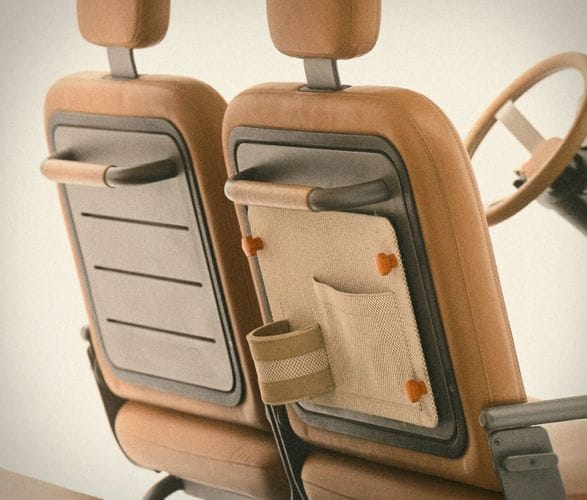
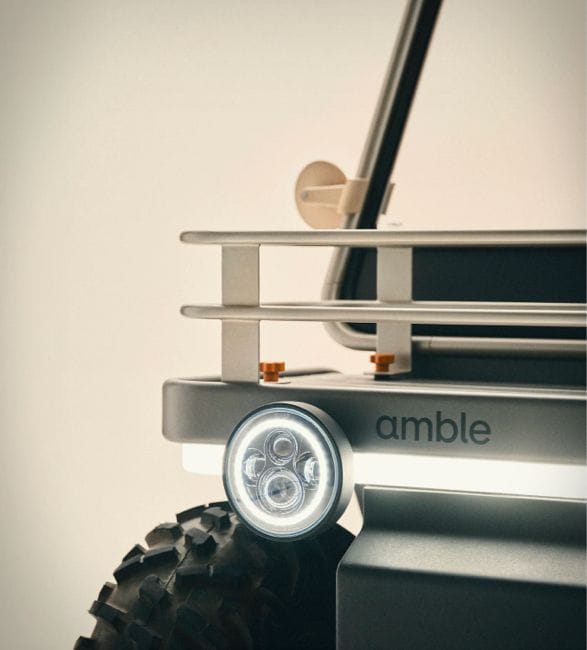
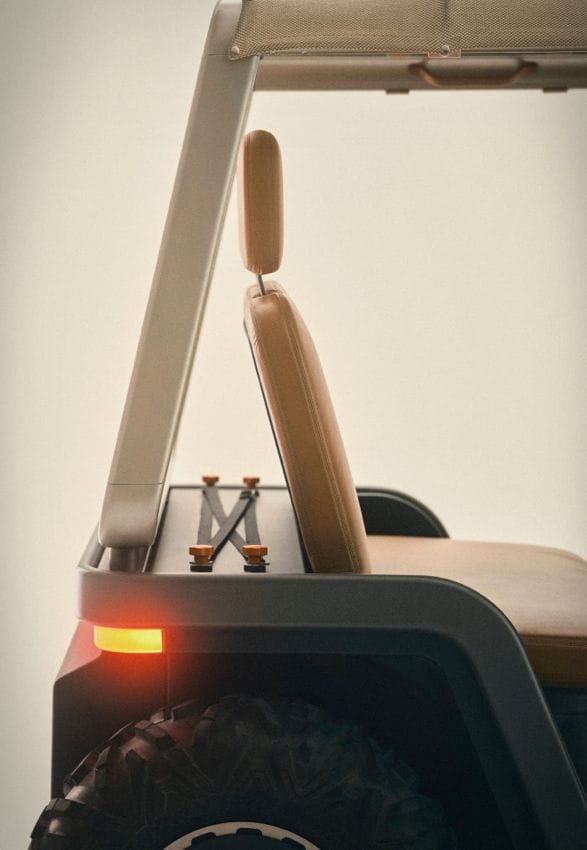
Seating is for four with supportive seats and headrests. The rear seats recline flat to create a load bed. A modular accessory system uses hand screw in mounting points across the frame for baskets, straps, mirrors, storage boxes, and rear cargo attachments. No tools required. Add or remove in seconds depending on the day.
The cockpit runs a clean digital display with physical controls where they matter. No touchscreen interfaces, no infotainment complexity. The founding team came from Apple, Audi, Cowboy, and forpeople, which explains both the design restraint and the material quality.