

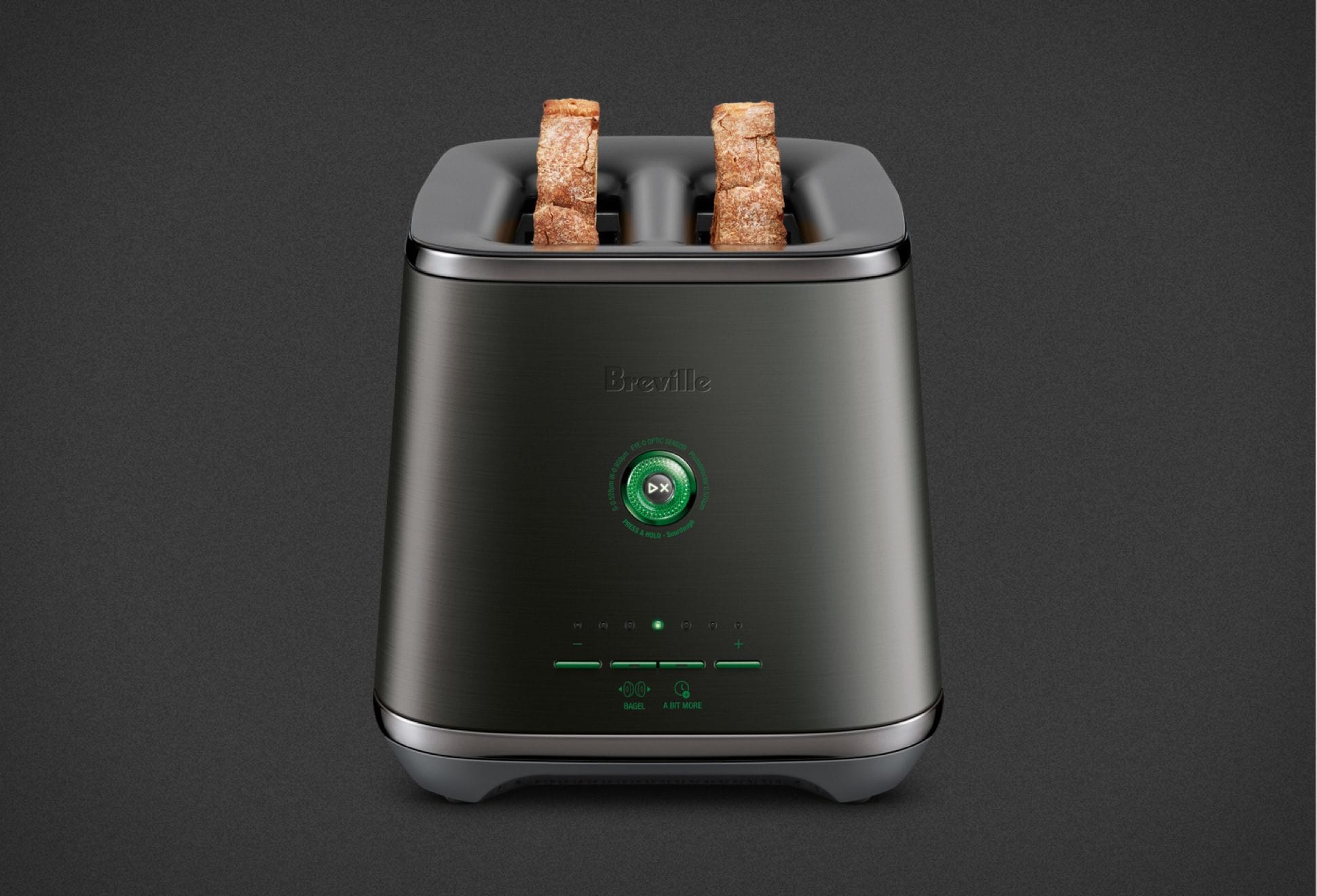
Breville Eye Q Uses Optical Sensors to Get Your Toast Right
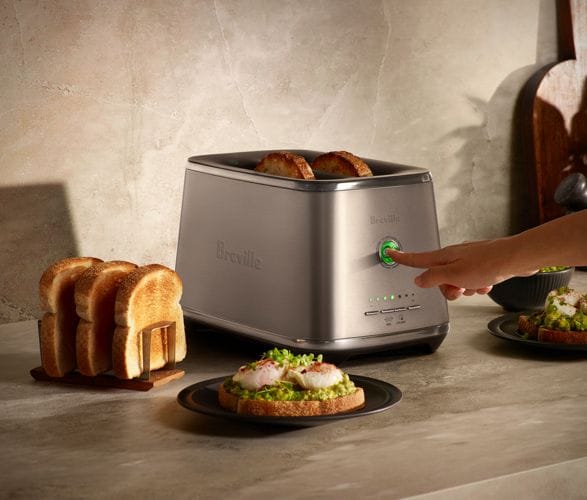
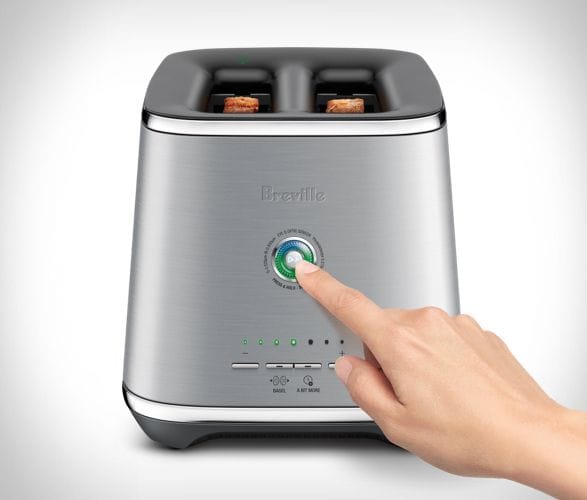
The new Breville Eye Q rethinks one of the simplest kitchen appliances by replacing fixed toast times with optical sensing. Instead of guessing how long a slice needs, the toaster watches the bread itself, tracking color change in real time and stopping automatically when it reaches the selected shade. It is the result of a decade-long development effort aimed at making toast more consistent across different breads and thicknesses.
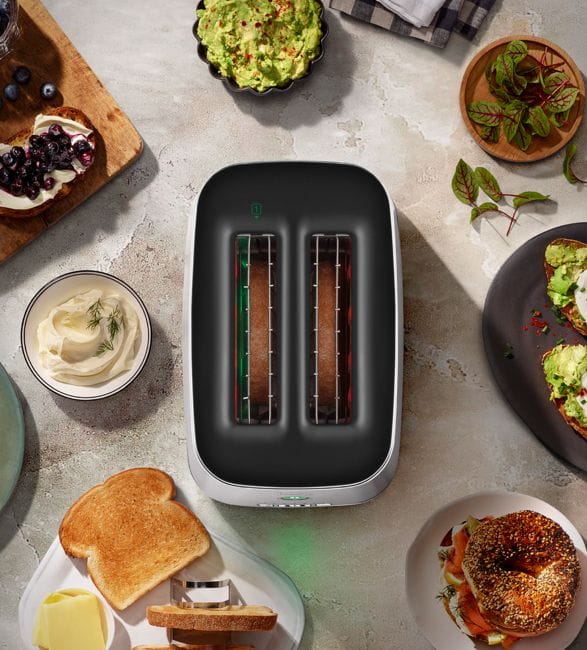
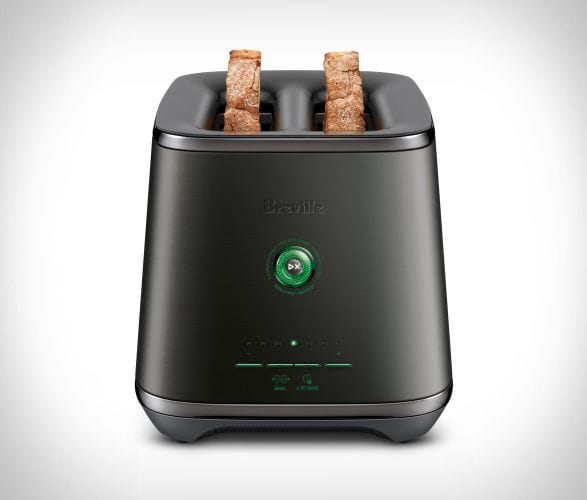
The key is Breville’s Sensability technology. Eye Q’s optic sensors scan the bread 10 times per second, feeding that information into algorithms that monitor browning rather than elapsed time. Seven shade settings are available, and the system can adapt even when bread starts frozen, removing the need for a separate defrost cycle. One-touch operation lowers the bread automatically and raises it as soon as the target color is reached.
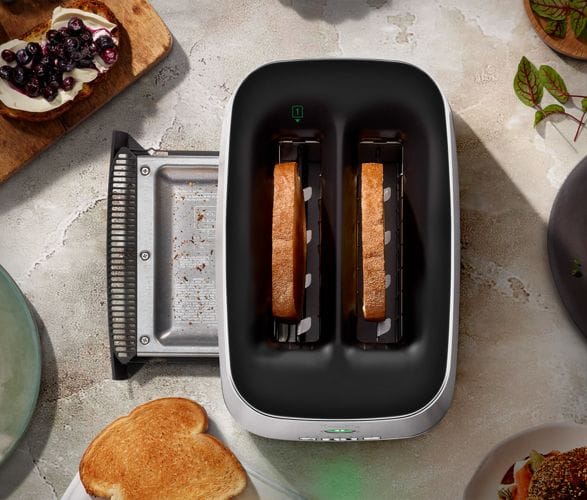
Breville also includes dedicated modes for sourdough, bagels, and traditional timed toasting. Sourdough Mode is designed around the uneven density and crust of artisanal loaves, while Timer Mode bypasses the sensors for snacks and pastries. Cleaning has been considered too, with a ceramic-coated top, a clearway cavity that directs crumbs downward, and a removable crumb tray.
The Eye Q is available as the 850 Auto 2 Slice for $299.95 and the 870 Auto 4 Slice for $399.95, both finished in steel housing. The larger model brings the same sensing system to a four-slot format, while the two-slice version keeps the footprint more compact. For something as ordinary as a toaster, the Eye Q feels unusually ambitious: it is essentially trying to judge toast the same way you do, by looking at it.
Explore more clever kitchen appliances and beautifully designed cooking gear