


Hyundai Crater SUV
The Hyundai Crater Concept is Hyundai’s boldest step yet into the world of rugged, electric off-road SUVs. Built as a vision of where the brand wants to push its XRT lineup, the Crater isn’t just another accessorized model. It’s a fully reimagined adventure platform designed around capability, durability, and freedom in the wild.
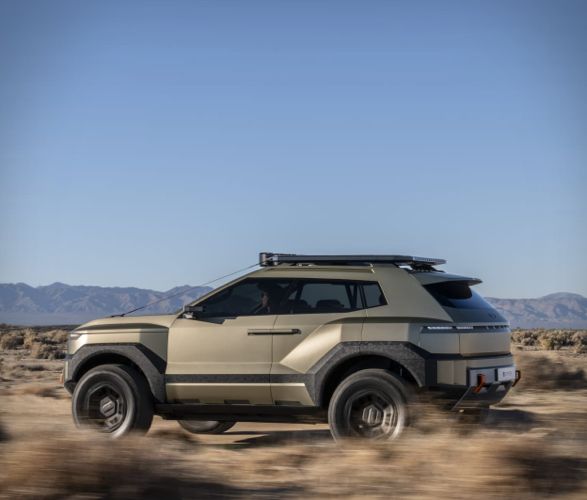
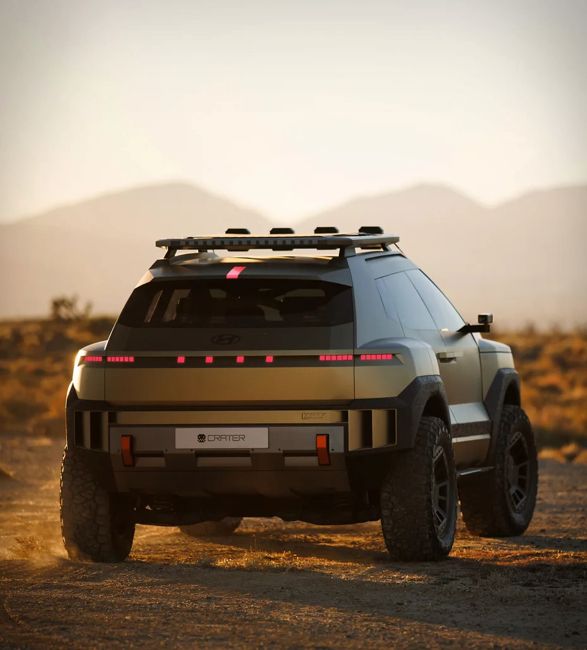
Its exterior follows Hyundai’s "Art of Steel” philosophy, blending crisp geometric surfaces with real trail-ready proportions. Short overhangs, a wide skid plate, roof platform, limb risers, and massive 33-inch all-terrain tires give the Crater a stance suited for rock, sand, and steep climbs. Even the mirror-mounted cameras detach for use as handheld flashlights, a clever touch that shows Hyundai is thinking about practical adventure use.
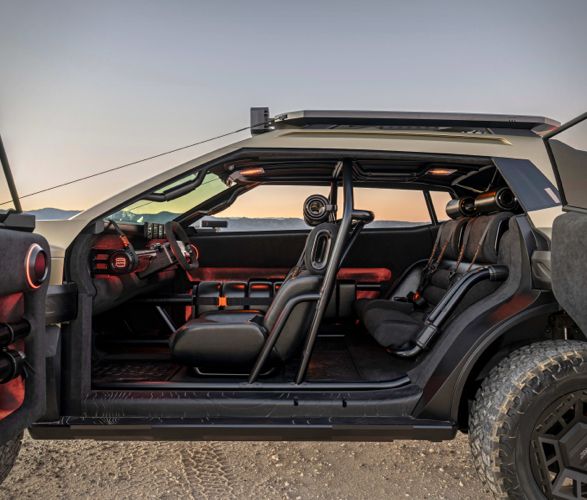
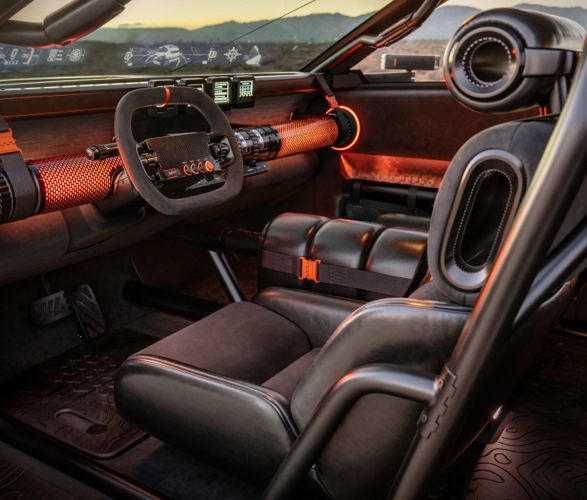
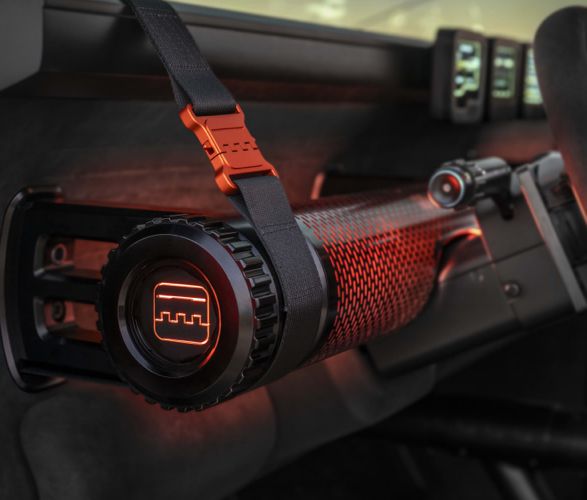
Step inside and the sci-fi vibe comes alive. The monocoque cabin features exposed roll-cage bars, wraparound seating, four-point harnesses, and an ambient lighting scheme that feels straight out of a futuristic Baja racer. Hyundai’s bring-your-own-device approach replaces the traditional infotainment stack with a streamlined interface powered by your own tech ecosystem, keeping things flexible and minimal.
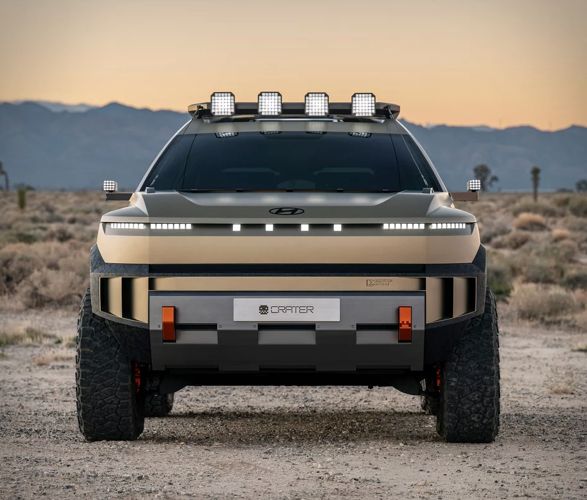
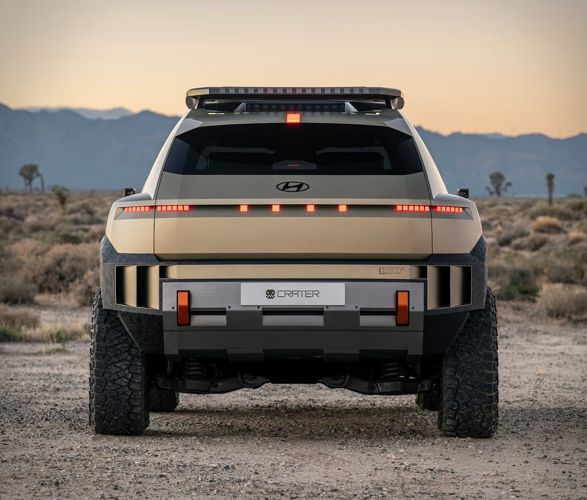
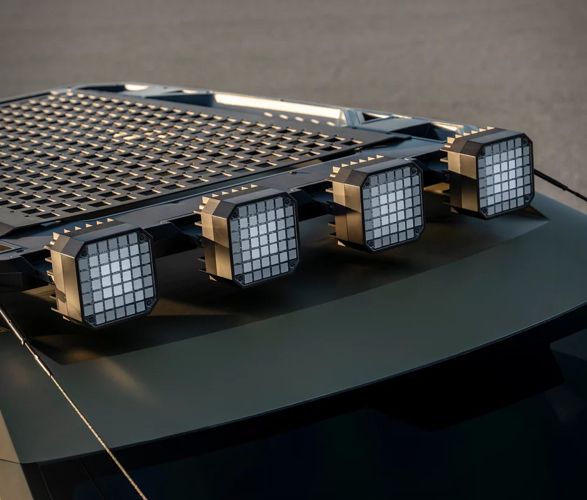
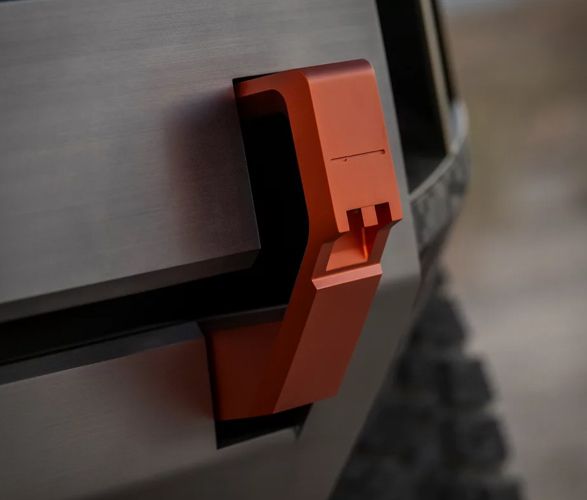
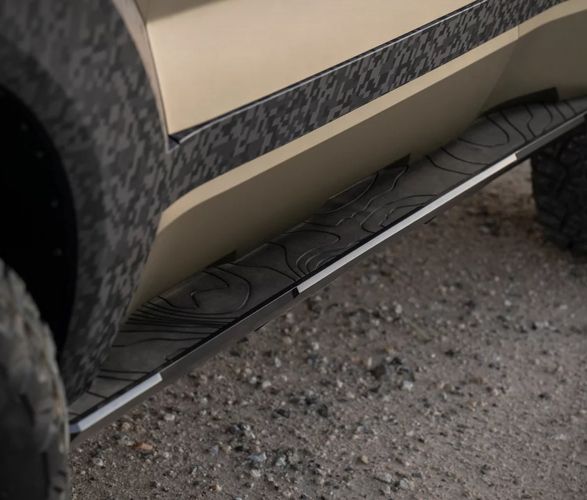
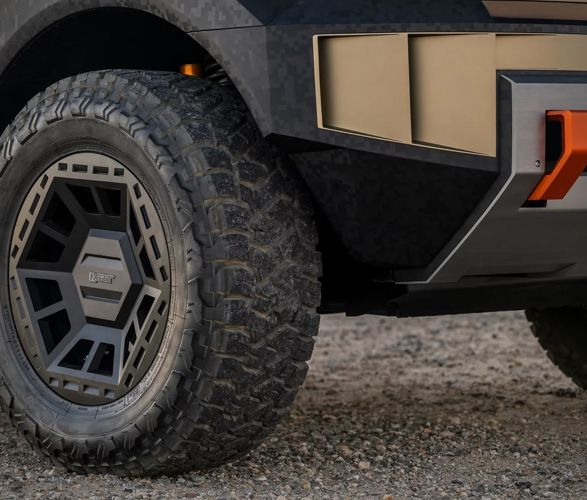
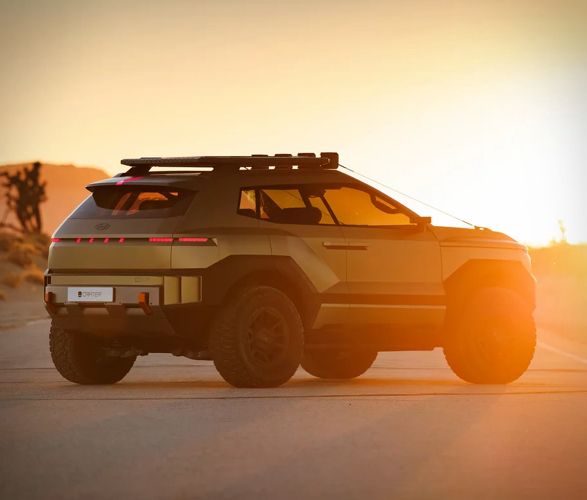
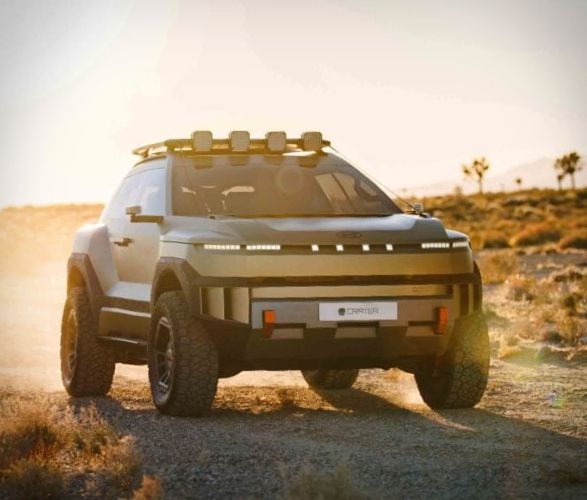
Its exterior follows Hyundai’s "Art of Steel” philosophy, blending crisp geometric surfaces with real trail-ready proportions. Short overhangs, a wide skid plate, roof platform, limb risers, and massive 33-inch all-terrain tires give the Crater a stance suited for rock, sand, and steep climbs. Even the mirror-mounted cameras detach for use as handheld flashlights, a clever touch that shows Hyundai is thinking about practical adventure use.
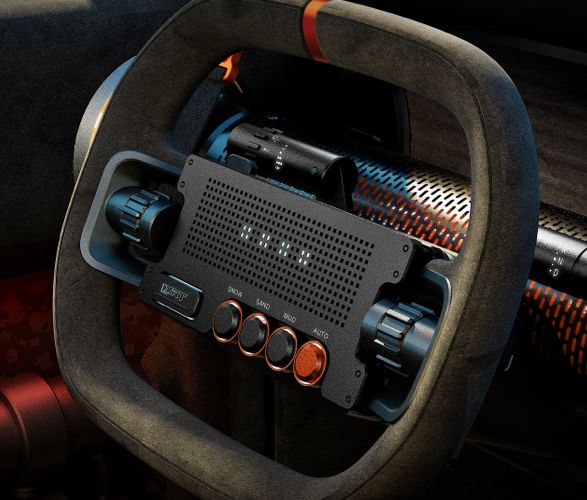
Step inside and the sci-fi vibe comes alive. The monocoque cabin features exposed roll-cage bars, wraparound seating, four-point harnesses, and an ambient lighting scheme that feels straight out of a futuristic Baja racer. Hyundai’s bring-your-own-device approach replaces the traditional infotainment stack with a streamlined interface powered by your own tech ecosystem, keeping things flexible and minimal.
The hardware supports real off-road use too. Locking differentials, terrain modes for Snow, Sand, and Mud, a tactile off-road controller, downhill assist, and a built-in compass and altimeter round out the toolkit. While Hyundai hasn’t shared powertrain details, the focus here is clear: this concept previews a future where electric adventure vehicles aren’t just talk.
Also check out the impressive Audi Activesphere