


Ayrton Senna 1986 Lotus 98T
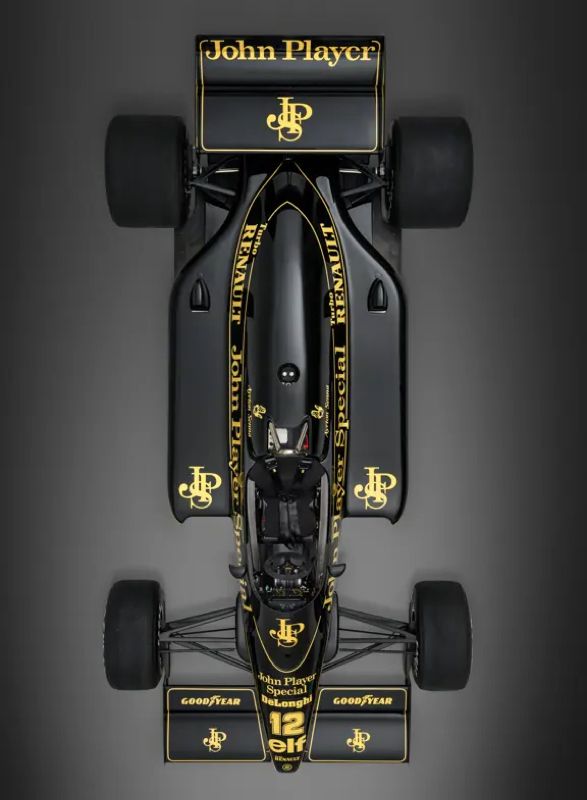
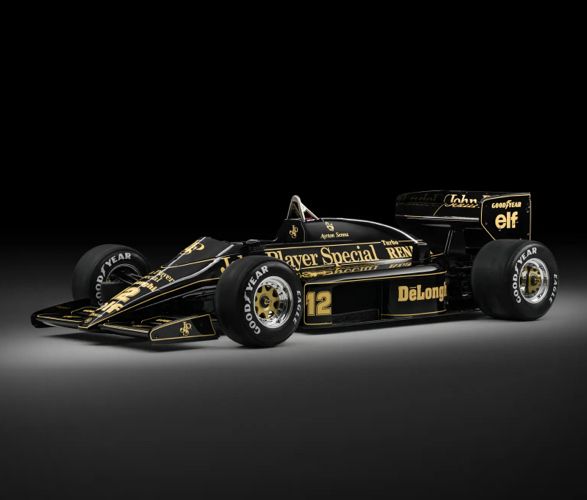
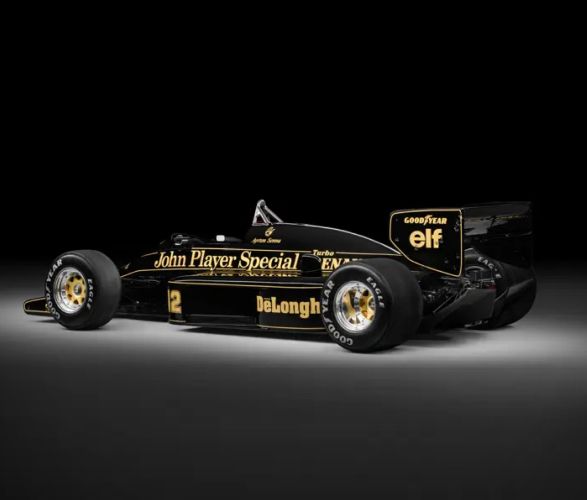
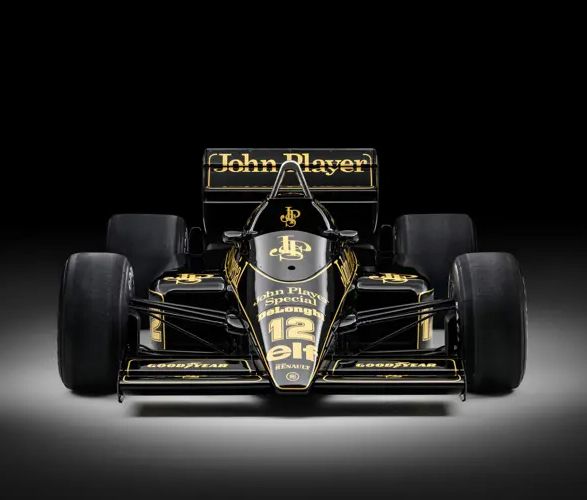
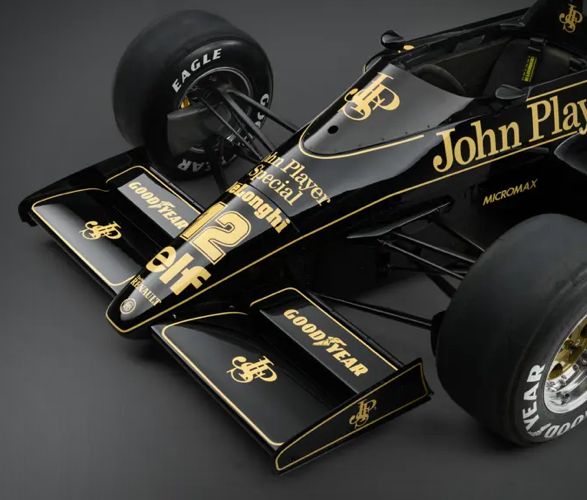
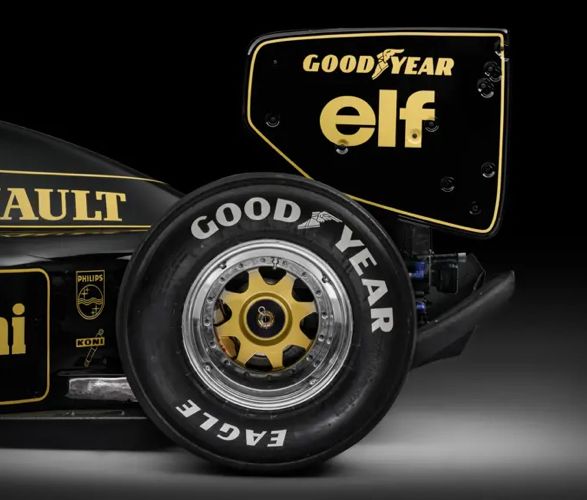
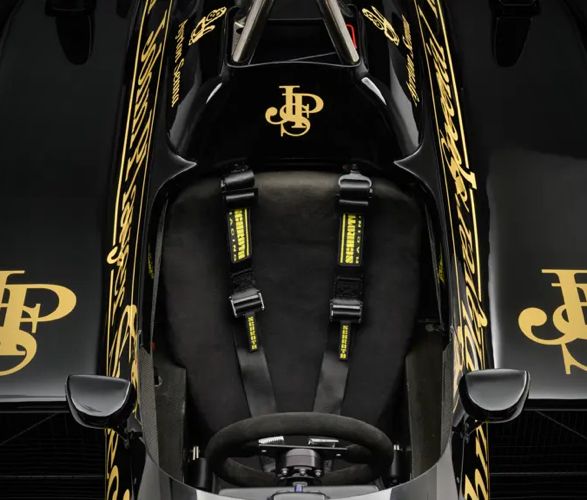
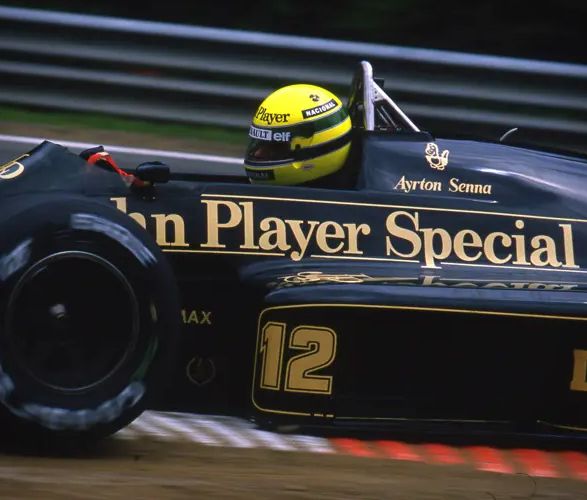
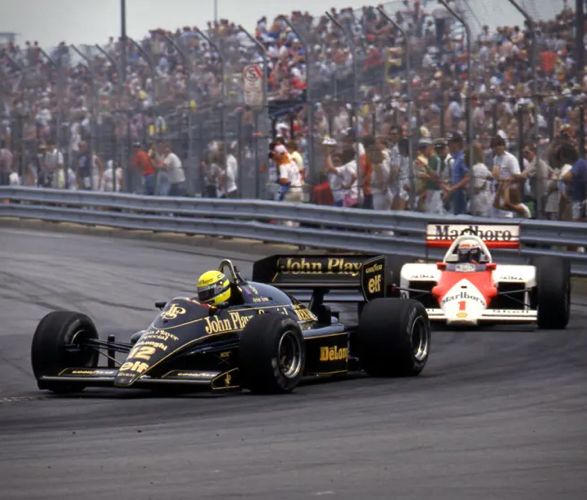
Few cars capture the raw intensity of Formula One’s turbocharged era like the 1986 Lotus 98T driven by Ayrton Senna. Dressed in the final iteration of the iconic black and gold John Player Special livery, this machine represents one of the wildest chapters in Grand Prix history and one of the defining seasons of Senna’s career.
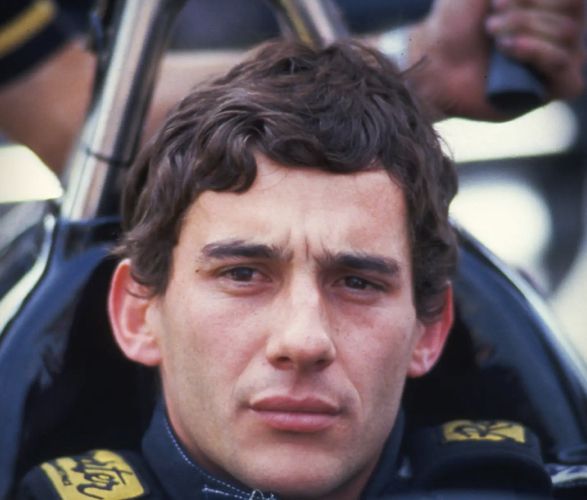
Chassis 98T 3 was raced exclusively by Senna during the first half of the 1986 season, securing victories at the Spanish Grand Prix and the United States Grand Prix in Detroit. Across eight starts, it delivered five pole positions and three additional podium finishes, underlining both the car’s capability and Senna’s extraordinary talent. The Spanish victory remains one of the closest finishes in Formula One history, with Senna crossing the line just 0.014 seconds ahead of Nigel Mansell.
At its core sat a 1.5 litre Renault V6 turbo engine that redefined excess. In race trim it produced around 900 horsepower, but in qualifying specification, with boost pressures turned up dramatically, output exceeded 1,000 brake horsepower. These figures made the 98T one of the most powerful Grand Prix cars ever built, a true product of an era with virtually no limits.
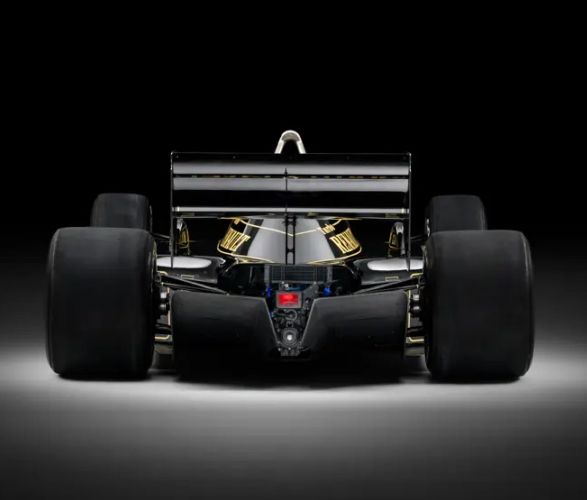
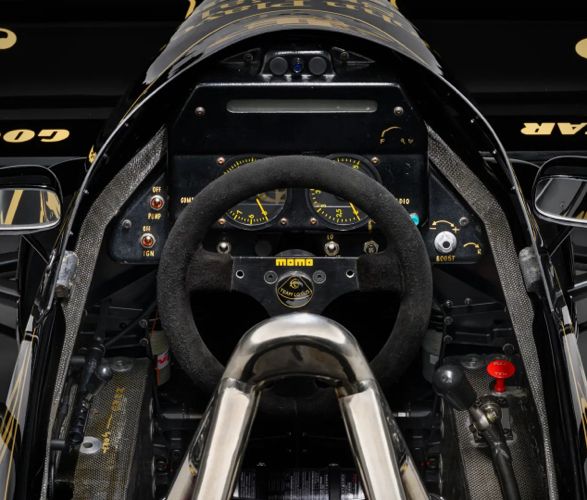
Beyond the engine, the 98T featured a carbon fibre and aluminium chassis, advanced aerodynamics for its time and continuous fuel monitoring systems that were cutting edge in 1986. It was both brutally fast and technically ambitious.
One of only four chassis constructed for the 1986 World Championship, this example carries impeccable provenance, having been purchased directly from Lotus in 1988 and later restored by Paul Lanzante Ltd. More than a historic racing car, the Lotus 98T stands as an icon of Formula One’s most extreme period and a permanent symbol of Senna’s brilliance at the wheel.
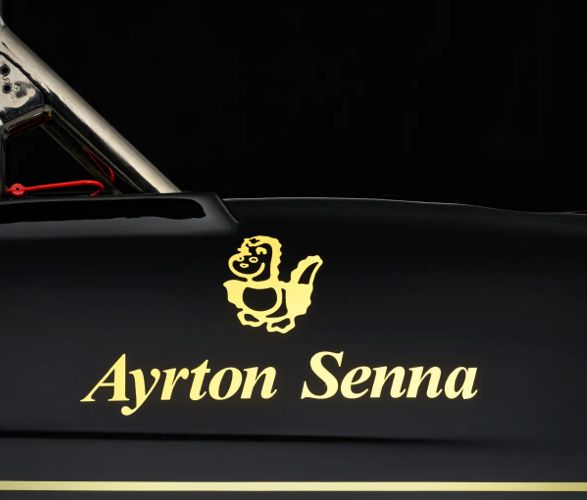
Chassis 98T 3 was raced exclusively by Senna during the first half of the 1986 season, securing victories at the Spanish Grand Prix and the United States Grand Prix in Detroit. Across eight starts, it delivered five pole positions and three additional podium finishes, underlining both the car’s capability and Senna’s extraordinary talent. The Spanish victory remains one of the closest finishes in Formula One history, with Senna crossing the line just 0.014 seconds ahead of Nigel Mansell.
At its core sat a 1.5 litre Renault V6 turbo engine that redefined excess. In race trim it produced around 900 horsepower, but in qualifying specification, with boost pressures turned up dramatically, output exceeded 1,000 brake horsepower. These figures made the 98T one of the most powerful Grand Prix cars ever built, a true product of an era with virtually no limits.
Beyond the engine, the 98T featured a carbon fibre and aluminium chassis, advanced aerodynamics for its time and continuous fuel monitoring systems that were cutting edge in 1986. It was both brutally fast and technically ambitious.
One of only four chassis constructed for the 1986 World Championship, this example carries impeccable provenance, having been purchased directly from Lotus in 1988 and later restored by Paul Lanzante Ltd. More than a historic racing car, the Lotus 98T stands as an icon of Formula One’s most extreme period and a permanent symbol of Senna’s brilliance at the wheel.