


Pixboom Spark
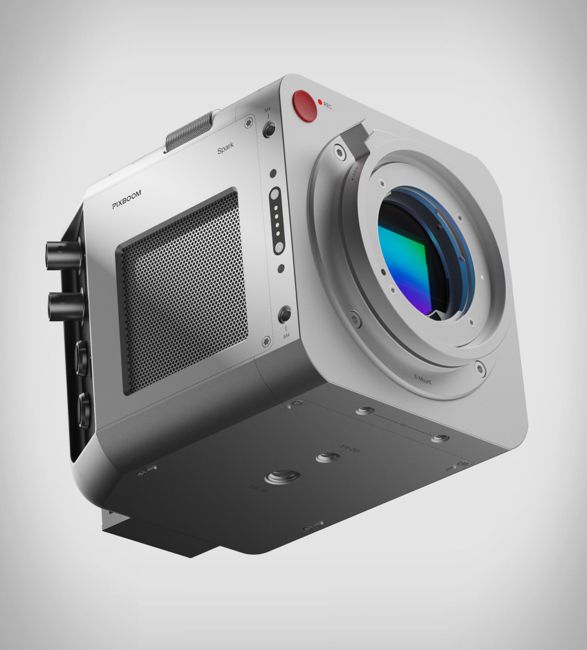
Pixboom Spark is a new high speed cinema camera built to bring professional slow motion filmmaking to a wider range of creators. Designed around a 4.6K Super 35 global shutter sensor, it eliminates rolling shutter artifacts while delivering detailed slow motion footage with strong low light performance. The goal is simple: offer flagship level image quality and workflow flexibility without the complexity and cost normally tied to traditional high speed systems.
At the core of the Spark sits a back side illuminated sensor with dual native ISO and more than 13 stops of dynamic range. The camera captures impressive frame rates across multiple resolutions, reaching up to 670 frames per second at full 4.6K open gate and climbing far higher at reduced resolutions. A pre record buffer captures footage seconds before the shutter is triggered, helping filmmakers catch unpredictable action in sports, wildlife or documentary work.
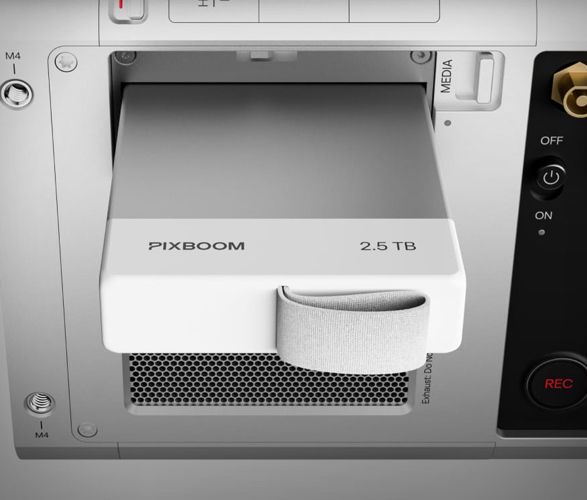
Unlike many high speed cameras that rely on limited internal memory, Spark is built around high bandwidth recording with write speeds up to 10 GB per second using Pixboom Pro media. The system supports extended recording times and a streamlined workflow, with compressed RAW files designed to retain full sensor data while keeping file sizes manageable. A dedicated software platform called Pixboom Cine is being developed to simplify post production and integrate smoothly with major editing and grading platforms.
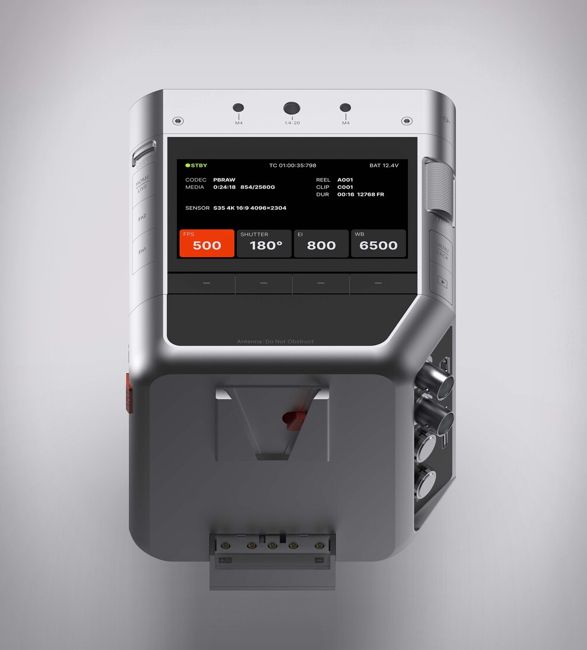
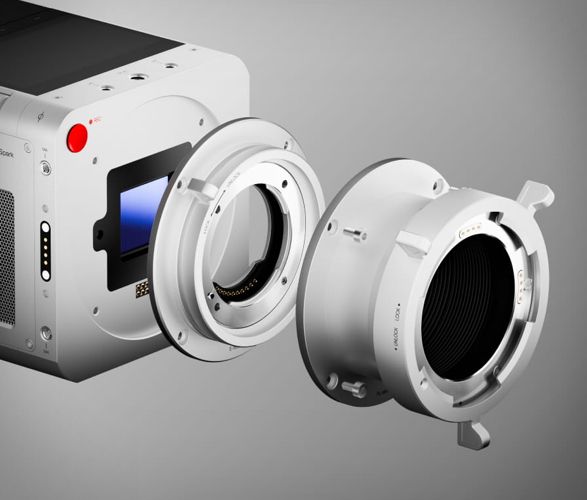
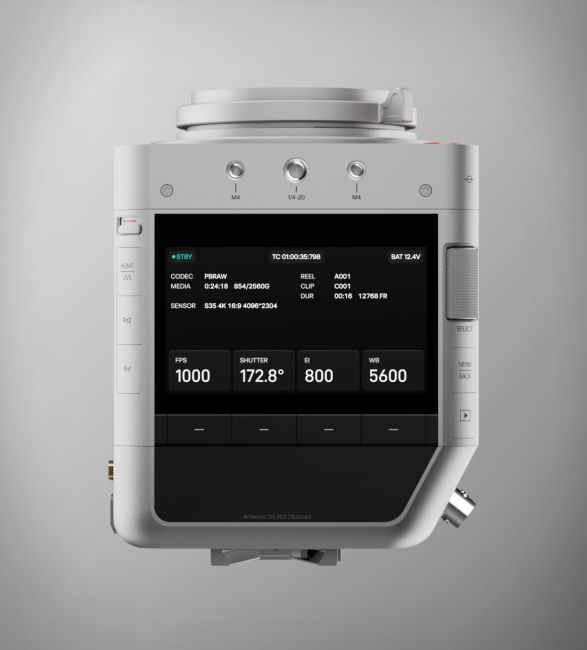
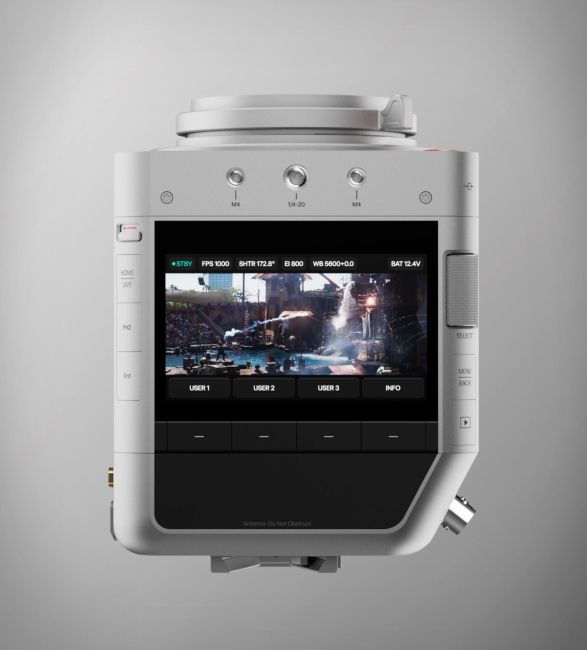
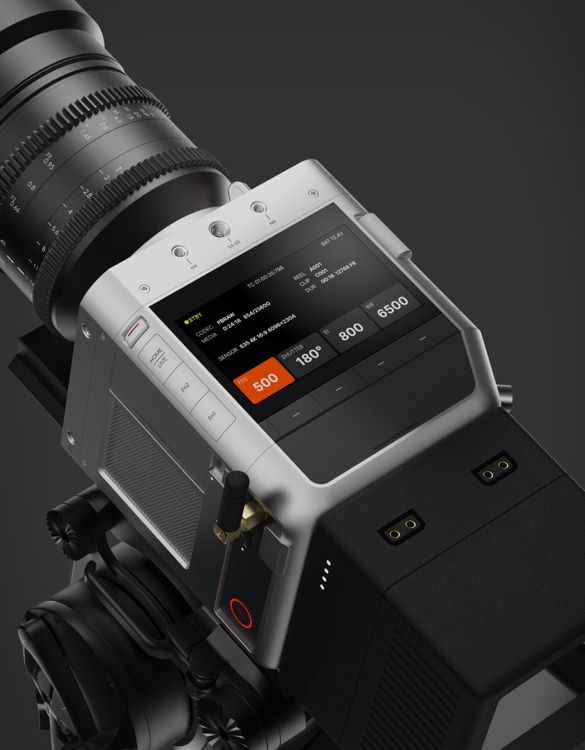
The camera itself keeps things practical. A compact aluminum body weighing less than 1.1 kilograms includes a built in V lock battery mount, active cooling system, interchangeable electronic lens mounts and professional connectivity such as SDI, HDMI, USB C and WiFi. A high resolution 3.5 inch touchscreen provides intuitive control, while additional monitoring tools like anamorphic de squeeze and mobile app control make it adaptable to modern production environments.
First seen at NAB 2025, where it won a Best of Show award, the Spark represents years of research led by founder Dr. Young Hu and a small team focused on democratizing high speed cinematography. The camera is positioned not just as a technical tool, but as a creative platform aimed at helping filmmakers capture moments that normally pass too fast to see.


At the core of the Spark sits a back side illuminated sensor with dual native ISO and more than 13 stops of dynamic range. The camera captures impressive frame rates across multiple resolutions, reaching up to 670 frames per second at full 4.6K open gate and climbing far higher at reduced resolutions. A pre record buffer captures footage seconds before the shutter is triggered, helping filmmakers catch unpredictable action in sports, wildlife or documentary work.
Unlike many high speed cameras that rely on limited internal memory, Spark is built around high bandwidth recording with write speeds up to 10 GB per second using Pixboom Pro media. The system supports extended recording times and a streamlined workflow, with compressed RAW files designed to retain full sensor data while keeping file sizes manageable. A dedicated software platform called Pixboom Cine is being developed to simplify post production and integrate smoothly with major editing and grading platforms.
The camera itself keeps things practical. A compact aluminum body weighing less than 1.1 kilograms includes a built in V lock battery mount, active cooling system, interchangeable electronic lens mounts and professional connectivity such as SDI, HDMI, USB C and WiFi. A high resolution 3.5 inch touchscreen provides intuitive control, while additional monitoring tools like anamorphic de squeeze and mobile app control make it adaptable to modern production environments.
First seen at NAB 2025, where it won a Best of Show award, the Spark represents years of research led by founder Dr. Young Hu and a small team focused on democratizing high speed cinematography. The camera is positioned not just as a technical tool, but as a creative platform aimed at helping filmmakers capture moments that normally pass too fast to see.